How to Use the Audiopipe AP-NT-PHASE Speaker Polarity TesterUpdated an hour ago
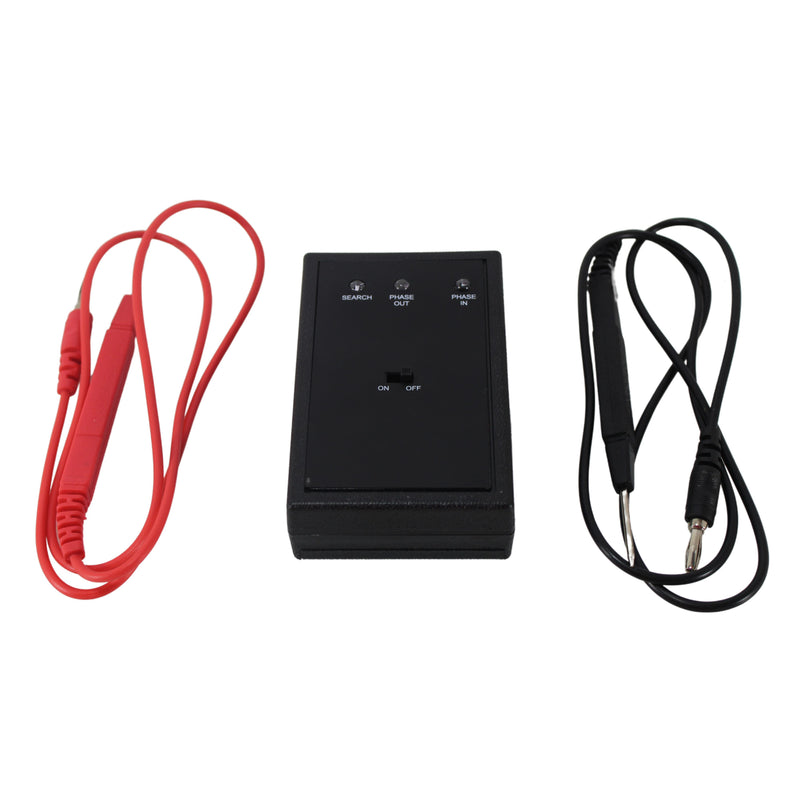
If your speakers sound weak or your bass seems to disappear, one speaker may have the opposite polarity from another. The Audiopipe AP-NT-PHASE helps you check the polarity of installed tweeters, midrange speakers, woofers, and subwoofers so you can investigate wiring differences.
What is speaker polarity?
Polarity describes the direction a speaker moves in response to an electrical signal. When speakers playing the same frequencies move in opposite directions, they can work against each other and reduce output, especially bass. Checking each speaker helps you spot an unexpected reversal.
What do I need to use the AP-NT-PHASE?
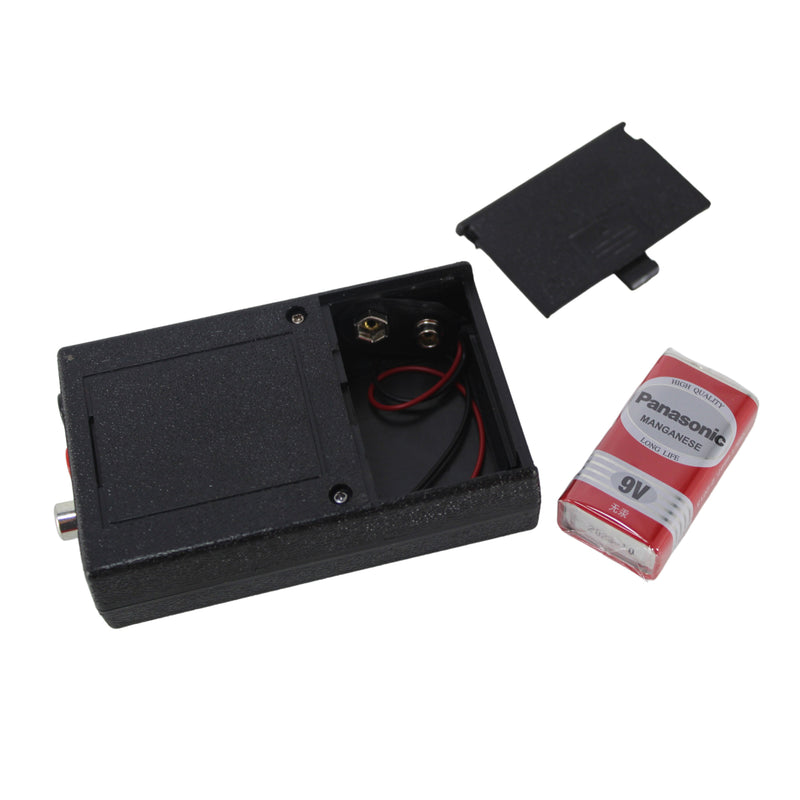
- The AP-NT-PHASE tester and its included 9V battery.
- A separate source that plays a dedicated speaker polarity test pulse through your audio system.
Big Jeff lists the Audiopipe AP-NT-TONEG and Big Jeff BJ-68 as compatible test-signal tools. Check that your chosen source provides a polarity pulse: a steady test tone alone is not enough for an acoustic polarity reading. A compatible recorded polarity pulse may also work.
How do I check an installed speaker?
- Connect the included 9V battery in the tester.
- Connect your polarity-pulse source to the audio system input, following that source's instructions.
- Turn on the system at a low to moderate volume and play the polarity pulse.
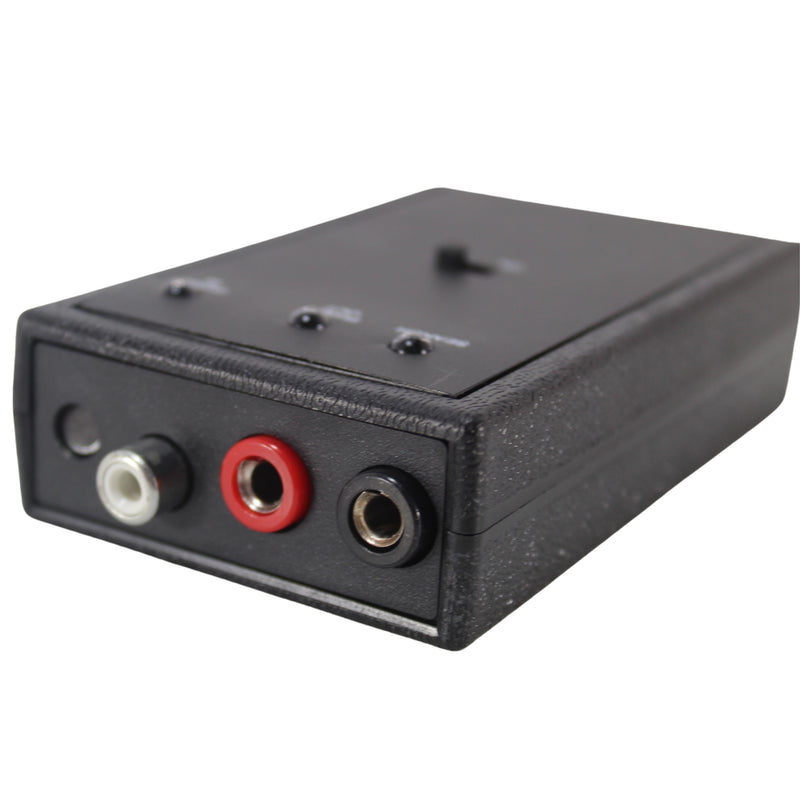
- Set the AP-NT-PHASE for acoustic sensing, if your unit has a mode selector, and hold it near the speaker you want to check.
- Observe and record the tester's polarity indication. Repeat at the same position for each comparable speaker.
- If one speaker reads differently, check its wiring and the system's DSP or crossover settings before changing connections.
Note: Consult the markings on your tester for its indicator meanings and control positions. We could not verify a model-specific operating manual, so this article does not assign a meaning to a particular light color.
Can I use the AP-NT-PHASE by itself?
For an acoustic check of an installed speaker, you need a separate polarity-pulse source. The tester reads the speaker's response; it does not replace the test signal. The product listing also describes included red and black test leads for polarity checks, but use the instructions printed on the tester for any direct-wired test.
Does a reverse reading always mean the wiring is wrong?
No. Some DSP settings and crossover designs intentionally invert polarity. Compare like speakers and check the system setup before rewiring anything. This tester checks polarity; it does not measure time alignment or fully diagnose acoustic phase across the system.